The main three parts of my teaching philosophy are teaching the knowledge, improving the values, and increasing the building experience necessary to succeed.
Teaching knowledge
My goal is to teach basic knowledge, the ability to find solutions to problems, and to develop innovation in students.
Instead of the normal and widely-used teaching method, I try to make the students think. I do not point out solutions to problems directly, and instead give them guiding questions that will help them reach the answer independently. However, the prerequisite for such a method is basic knowledge. If there is no basic knowledge, it is not possible to reach the result.
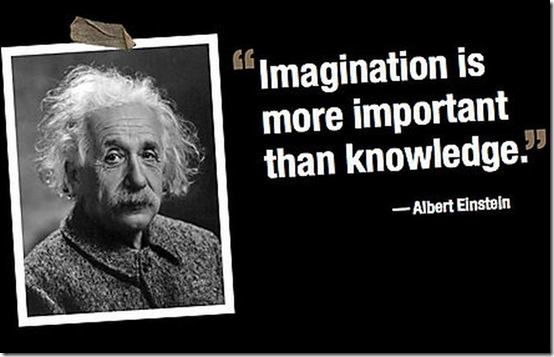
Einstein said his famous phrase “creativity is more important than knowledge,” only after he had acquired basic knowledge.
In order to be creative, it is necessary to do a lot of preliminary work based on knowledge acquisition. A great milestone is Malcolm Gladwell’s rule: In order to reach professional level, it is necessary to contribute at least 10,000 hours. This is a great time investment, for if a person studies every day for three hours, it will take them ten years to reach ten thousand. The distinguishing features between an average human and a genius is not one of less work. The 10,000-hour rule still applies to geniuses, however, they are capable of achieving it in five years, rather than ten, most of which is independent work.
I like competing in different competitions, for they set great limitations. Limits to the robot’s size, weight, and the motor and sensor amount force the students to think more creatively.
Years ago, I discussed with one of the local robotics competition organisers about LEGO sumo rules. According to the international rules, the robot is limited to 15x15cm, however, the organisers wanted to “let us build bigger ones, otherwise there would be no room for creativity for young people, due to there being so few possibilities for construction within 15×15 dimensions.” By today, I’ve seen nearly a thousand LEGO sumo robots within these dimensions, all of which have come up with their own unique and creative design.
Improving values
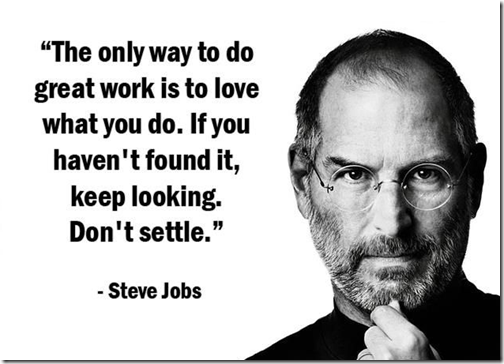
There is value to be found in the words of Steve Jobs “The only way to do great work is to love what you do. If you haven’t found it, keep looking. Don’t settle.” I try to lead my team accordingly, pointing the students to areas of study they themselves might wish to pursue.
I have based my values on the intertwinement of the cultural space of the world as a whole and the identity of our own country and our team.
For example, Estonia has recently developed a new national brand that depicts boulders in order to introduce itself to foreigners. This created an uproar in media and the Internet was flooded with ridiculous pictures and questions. In one of my classes, I noticed the students’ negative attitude to the boulders. I immediately took the time to explain the importance of the brand and what it represents. I told them about our national identity, our valuable position in the world, and an individual’s pride to be an Estonian. Through conversation and examples, I came to an understanding with the students, and by the end of the class, they were already proud that the boulders represented Estonia.
At other times, we have to do the so-called unpleasant work, like sorting all of the LEGO pieces at the end of the year. Placing each and every piece into their allotted slot and making sure that their placement makes sense is hard work for there are thousands of small pieces that all need their own place. I decided to turn it into a learning experience by participating in the activity alongside my students.
Second example:
From time to time, we have to do the so-called unpleasant work, for example, sorting Lego blocks at the end of the year, and placing each and every piece in the correct box. There are thousands of small details that needs to be placed in a different boxes. I changed this activity with my active participation for learning new team values.
Building experience
A very important point in my teaching philosophy is that students always have to build something as well. This will give them the experience and knowledge of creation and usage of different tools.
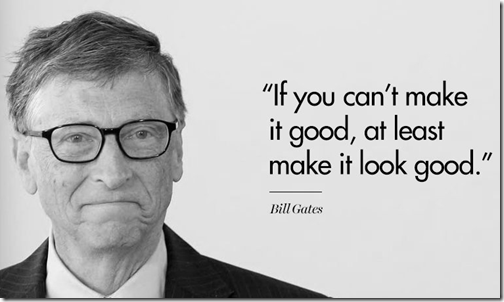
To me, Bill Gates’s words “If you can’t make it good, at least make it look good,” sum up what is essential to all engineers. Not only is it essential to make things work well, but it is also important that these things actually look good.
Every new generation has fewer opportunities to practice building, crafting, and other forms of practical work. Nowadays, most activities are based on mobile devices.
However, engineering, such as robotics, electronics, and IoT, is always related to the physical world. Construction of a robot, assembly of electric circuitry, tuning, measuring parameters, marking down readings, and other precise activities
The principle of measuring students is based on working projects and ideas. The difficulty of these depends on age, younger students can complete their project in maybe an hour, but for older students, it could take months to complete. Instead of ratings, I give each student personal feedback as to how they could improve their project. How to make the robot look better, how to make it perform more reliably. I do this because all people are different and are not capable of building equally good robots.